
Choose Your Path
7
Programs Available
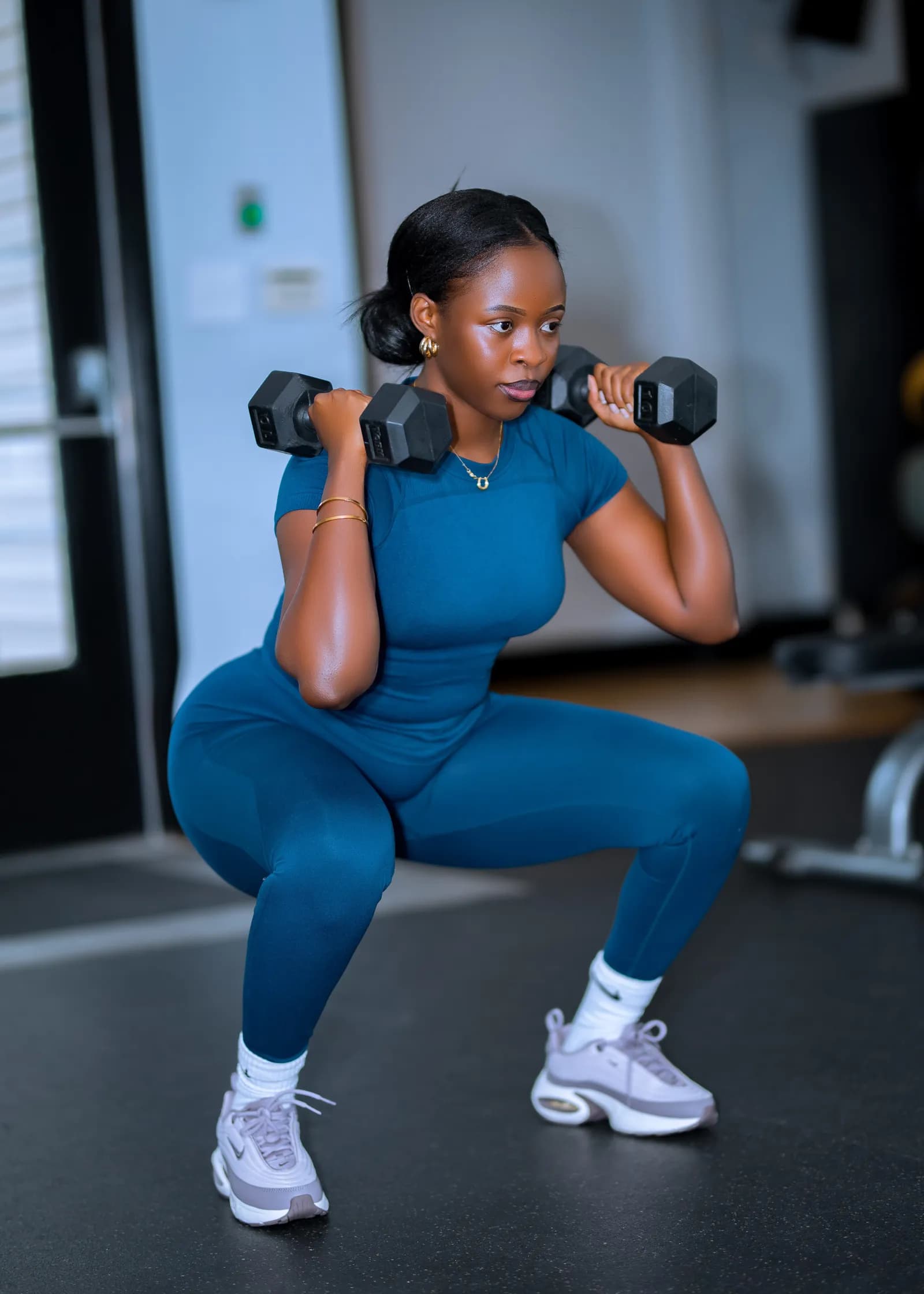
6-Week Dumbbell Glute Growth
Six weeks of dumbbell-only glute training you can do at home — no barbell, no rack.
What this is: six weeks of dumbbell-only lower-body hypertrophy — four glute-focused sessions and one upper-body maintenance session each week. Who it's for: beginners to intermediate lifters training at home or in the gym who want stronger glutes without a barbell. What you need: a pair of dumbbells (adjustables are ideal) and a bench or sturdy sofa edge for hip thrusts — optional. How it runs: week 1 Foundation, week 2 Build, week 3 Volume, week 4 Deload (same exercises, about 40% fewer sets so you absorb the work), week 5 Intensify, week 6 Peak and retest. Sessions take about 42 minutes. Progression: one variable advances per week — reps, then sets, then load. Add 2–10% when you beat the target by 1–2 reps. Safety: hinge with a neutral spine, keep the dumbbells close to your legs, and don't train to failure on split squats when you're training alone.
- Dumbbell-only glute training — no barbell or rack needed
- Four glute sessions plus one upper-body day each week
- Planned deload in week 4, test in week 6
- Written form cues for every exercise
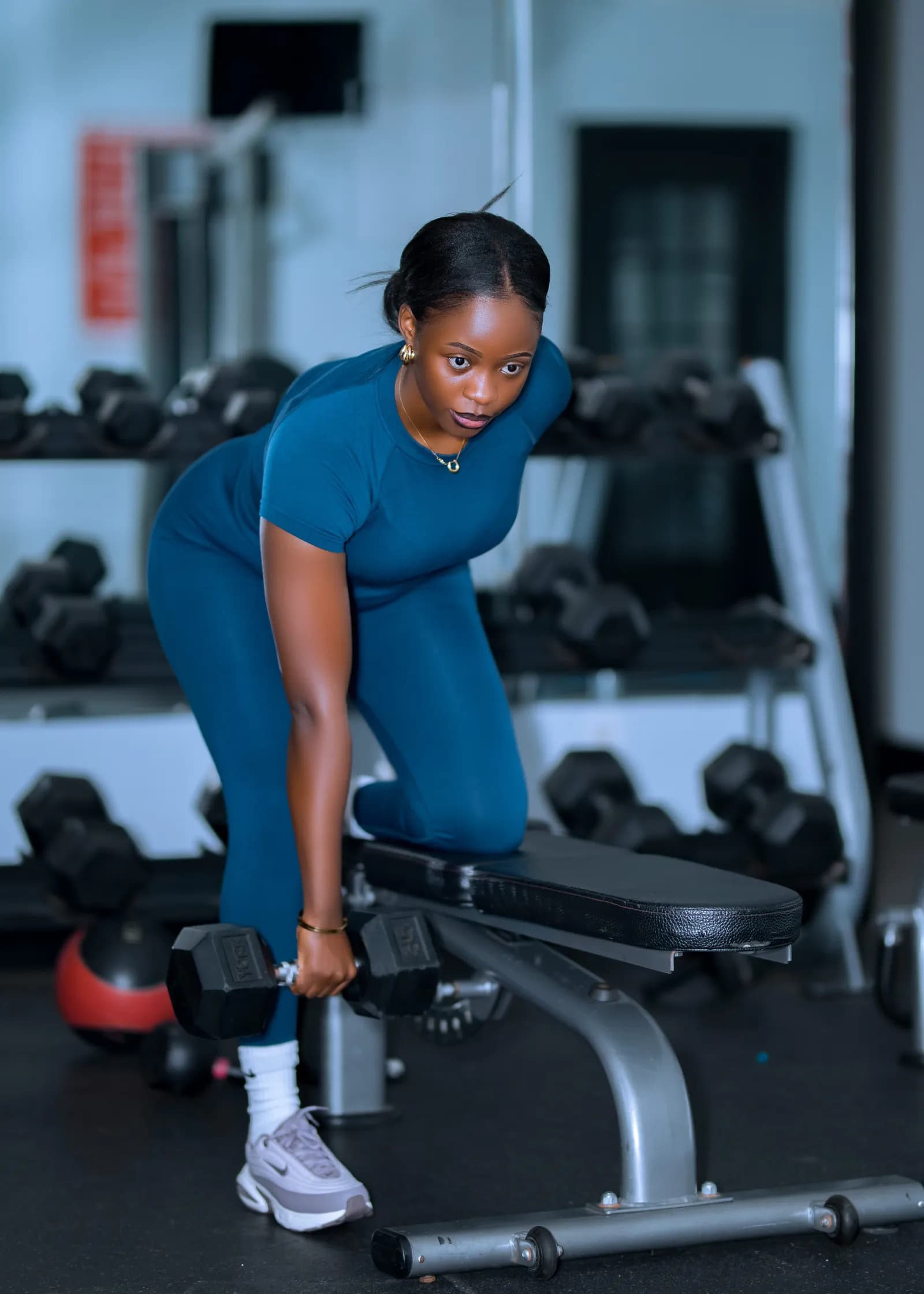
8-Week Glute Growth Blueprint
Eight weeks of lower-body hypertrophy: heavy days, volume days and a planned deload, built around the glutes.
What this is: an 8-week lower-body hypertrophy block with upper-body maintenance. Glutes are trained directly four days out of five; the upper session keeps the rest of you balanced. Who it's for: intermediate lifters with squat, hinge and thrust technique already in place. What you need: a barbell and rack, dumbbells, and a bench. Dumbbell substitutions are listed for every barbell movement, so a home setup works too. How it runs: five distinct session roles — heavy strength, hypertrophy volume, upper maintenance, posterior chain, and a high-rep glute finisher. Week 4 is a planned deload (same exercises, ~40% fewer sets), week 8 is a consolidation rather than a peak, so you finish capable, not destroyed. Progression: one variable per week — reps, sets, then load. Add 2–10% when you beat the target by 1–2 reps. Safety: hips, not your lower back, do the work on thrusts and RDLs; stop each hinge at the first hamstring stretch. Sharp pain is a stop signal — this is not a rehab program.
- Five distinct session roles: strength, volume, upper, posterior, peak
- Planned deload week 4 and consolidation week 8
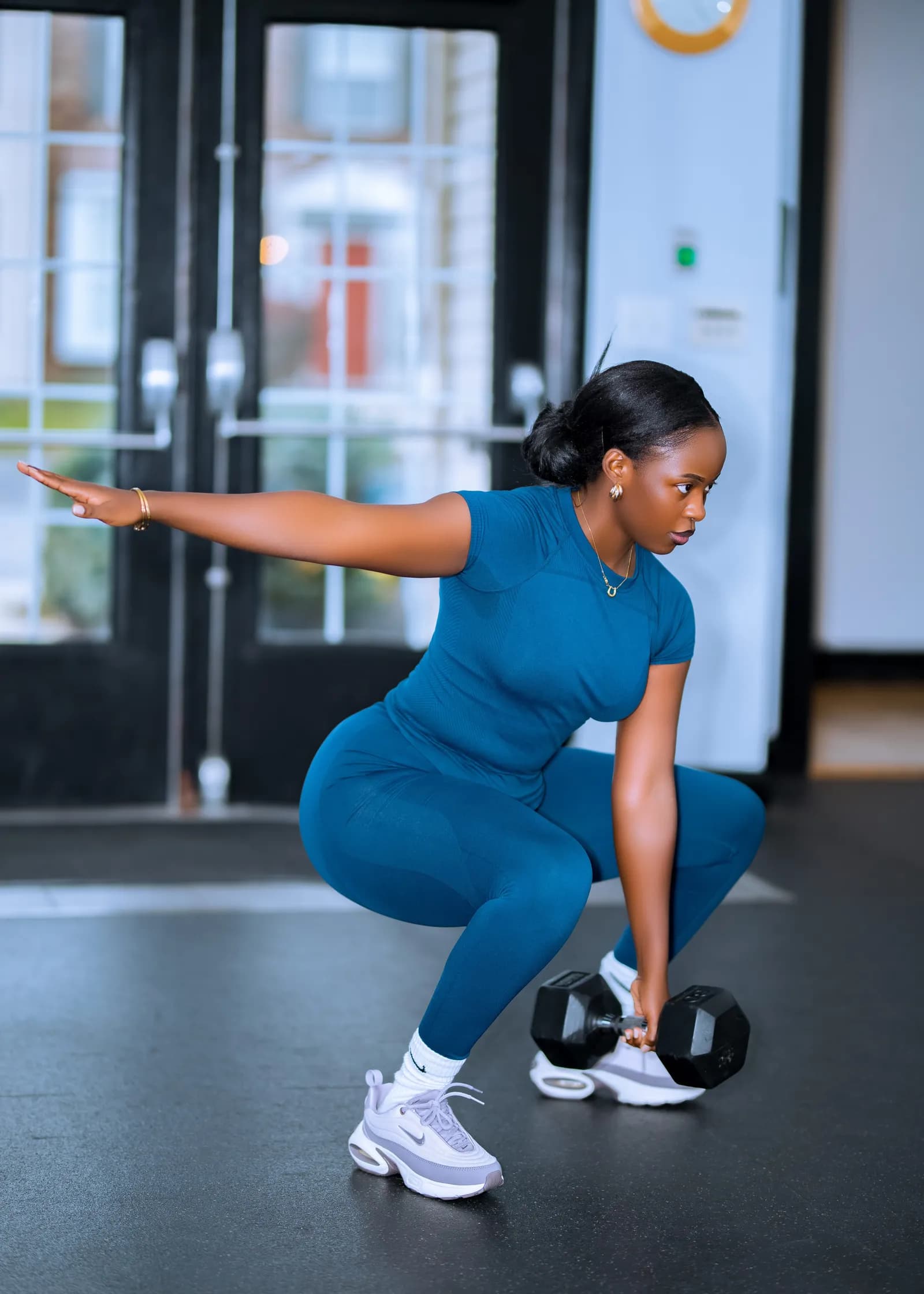
6-Week Glutes & Quads Builder
Six weeks of balanced lower-body training that builds the glutes and quads together.
What this is: six weeks of balanced lower-body hypertrophy with quad-emphasis and glute-emphasis days alternating all week, plus an upper-maintenance session and a carry/conditioning day. Who it's for: beginners to intermediate lifters who want balanced legs — not glutes alone. What you need: dumbbells. A leg press is a bonus, not a requirement: every machine movement has a dumbbell substitute listed in the workout. How it runs: week 1 Foundation, week 2 Build, week 3 Volume, week 4 Deload, week 5 Intensify, week 6 Peak. Sessions take about 42 minutes. Progression: one variable per week — reps, then sets, then load. Add 2–10% when you beat the target by 1–2 reps. Unilateral work always starts with your weaker side. Safety: set the leg press seat so your knees reach about 90° and never lock out hard at the top; hinge with a neutral spine on every RDL.
- Balanced quad- and glute-emphasis days, alternating all week
- Leg press optional — dumbbell substitutes included
- Planned deload week 4, test week 6
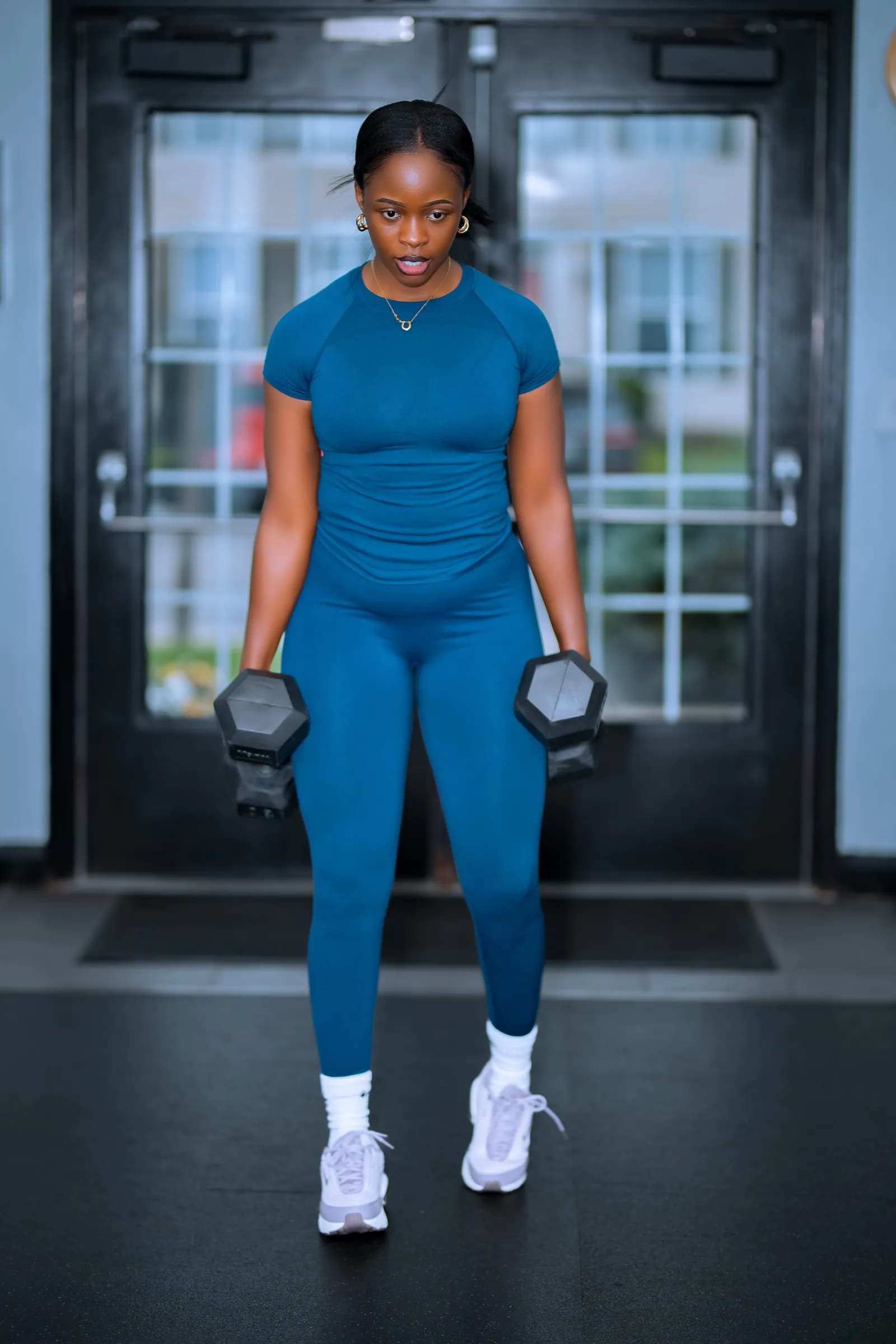
6-Week Full Body Dumbbell Sculpt
Six weeks, five sessions a week, one pair of dumbbells — strength and sculpting for the whole body.
What this is: full-body strength-endurance with dumbbells. All six movement patterns — squat, hinge, push, pull, lunge and carry — appear twice each week across five sessions with different densities. Who it's for: intermediate lifters who want to train the whole body without a split routine. What you need: one pair of dumbbells (adjustables are ideal). A bench is optional. How it runs: days 1–2 are pattern-paired strength days, days 3–4 are full-body accumulation days in different rep zones, and day 5 is low-load conditioning so your week always ends with a session that doesn't need fresh legs. Week 4 is a planned deload; week 6 ends with a strength test. Progression: one variable per week — reps, then sets, then load. The conditioning day progresses by shorter rest, never by heavier load. Safety: hinge with a neutral spine, pin your shoulder blades when pressing, and control every eccentric — dumbbells are never dropped from the top.
- All six movement patterns trained twice each week
- One pair of dumbbells covers every session
- Planned deload week 4, strength test in week 6
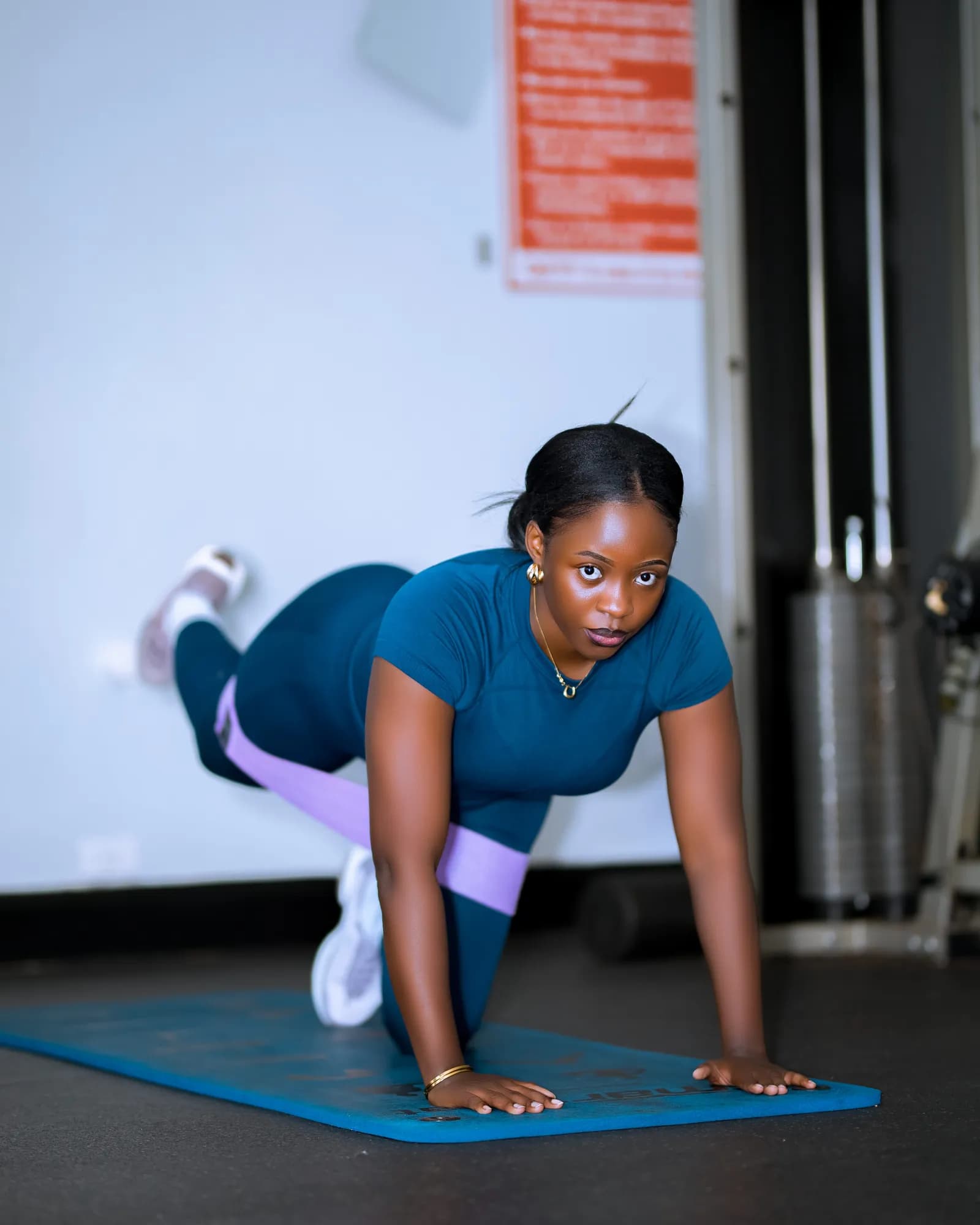
4-Week Resistance Band Full Body Sculpt
Four weeks of full-body circuits with a single resistance band — strength and conditioning anywhere.
What this is: band-only full-body circuit training. Every session trains the whole body, rest is short, and sessions are built from rounds rather than straight sets — local-muscular-endurance work in the truest sense. Who it's for: beginners who want to get stronger with one piece of equipment, at home or travelling. What you need: one loop band; a long band with handles is better. Everything else is bodyweight. How it runs: week 1 learns every anchor and position with 2-round circuits, week 2 goes to 3 rounds with shorter rest, week 3 adds reps, week 4 runs the strongest band for 4 rounds and retests your week-1 numbers. Progression — and the rule we never break: band resistance, then reps, then rounds. Never two at once. Intensity is judged by effort — finish your last rep with about 2 in reserve. Safety: inspect the band for nicks before every session, test every anchor with a light pull, and never let a loaded band snap back through your face.
- Full-body circuits with a single resistance band
- Round-based progression: band, reps, then rounds
- No gym, no weights — train anywhere
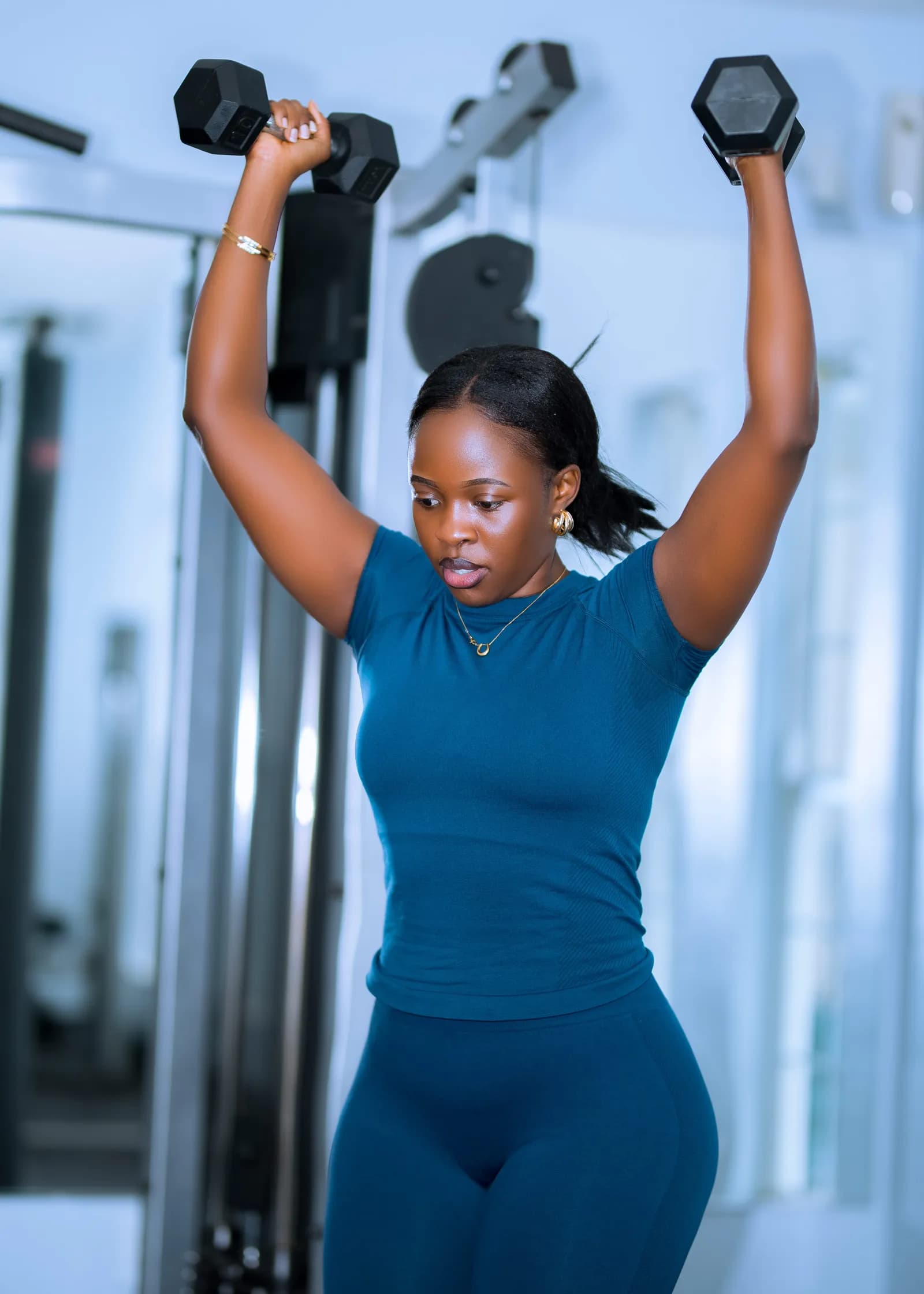
4-Week Upper Body Dumbbell Sculpt
Four days a week of upper-body work: push, pull, shoulders and arms with dumbbells and a bench.
What this is: a four-day upper-body hypertrophy split — the only program here that never trains legs, so every session gets fresh arms, back and shoulders instead of sharing them with lower-body work. Who it's for: intermediate lifters who want arms, shoulders, back and chest developed in four focused sessions. What you need: dumbbells and a bench (a sturdy chair edge works for dips and rows). How it runs: Push Day, Pull Day, Shoulders + Arms, Upper + Core. Week 1 builds scapular control, week 2 adds work to push and pull, week 3 accumulates volume, week 4 keeps compound intensity while trimming accessories so you finish stronger. Progression: one variable per week — reps, then sets, then load. Add 2–10% when you beat the target by 1–2 reps. Safety: shoulder blades pinned during every press, rows driven by the elbows, and no behind-neck pressing — ever.
- Four-day upper split: push, pull, shoulders and arms, upper + core
- Dumbbell and bench exercises with home substitutions
- Mini-taper in week 4 so you finish stronger
NoMi 8-Week Signature Program
Eight weeks of concurrent training — strength, conditioning and mobility — plus practical balanced-eating guidance.
What this is: the complete NomiTips flagship — eight weeks of concurrent training with three strength sessions and two conditioning sessions each week, mobility folded into every warm-up and cooldown, and general guidance on eating well alongside your training. Who it's for: beginners to intermediate lifters who want one program that covers everything: get stronger, get fitter, move better. What you need: dumbbells, a loop band and a mat. Every exercise has a bodyweight substitute, so the program is deliverable with a mat alone. How it runs: week 1 Foundation, week 2 Build, week 3 Volume, week 4 Deload, week 5 Intensify, week 6 Peak, week 7 Overreach, week 8 Consolidate and retest. Nutrition scope: you get general education — hydration, balanced plates, protein at each meal, and how to eat around training. You do not get a meal plan, calorie targets or supplements. If you have a medical condition, a specific dietary need, or a difficult relationship with food, work with a doctor or registered dietitian. Safety: standard movement rules apply — neutral spine on hinges, controlled eccentrics, and pain is always a stop signal.
- Three strength days plus two conditioning days each week
- Mobility folded into every warm-up and cooldown
Not Sure Which Program?
Take our 2-minute quiz and we'll match you to the perfect program based on your goals, experience, and setup.
Take the Quiz